Lewis® Compatible — Built for Strong Acid Service
Industrial Chemical & Petrochemical Pumps Manufacturer
EMAIL: info@chempumps.cn
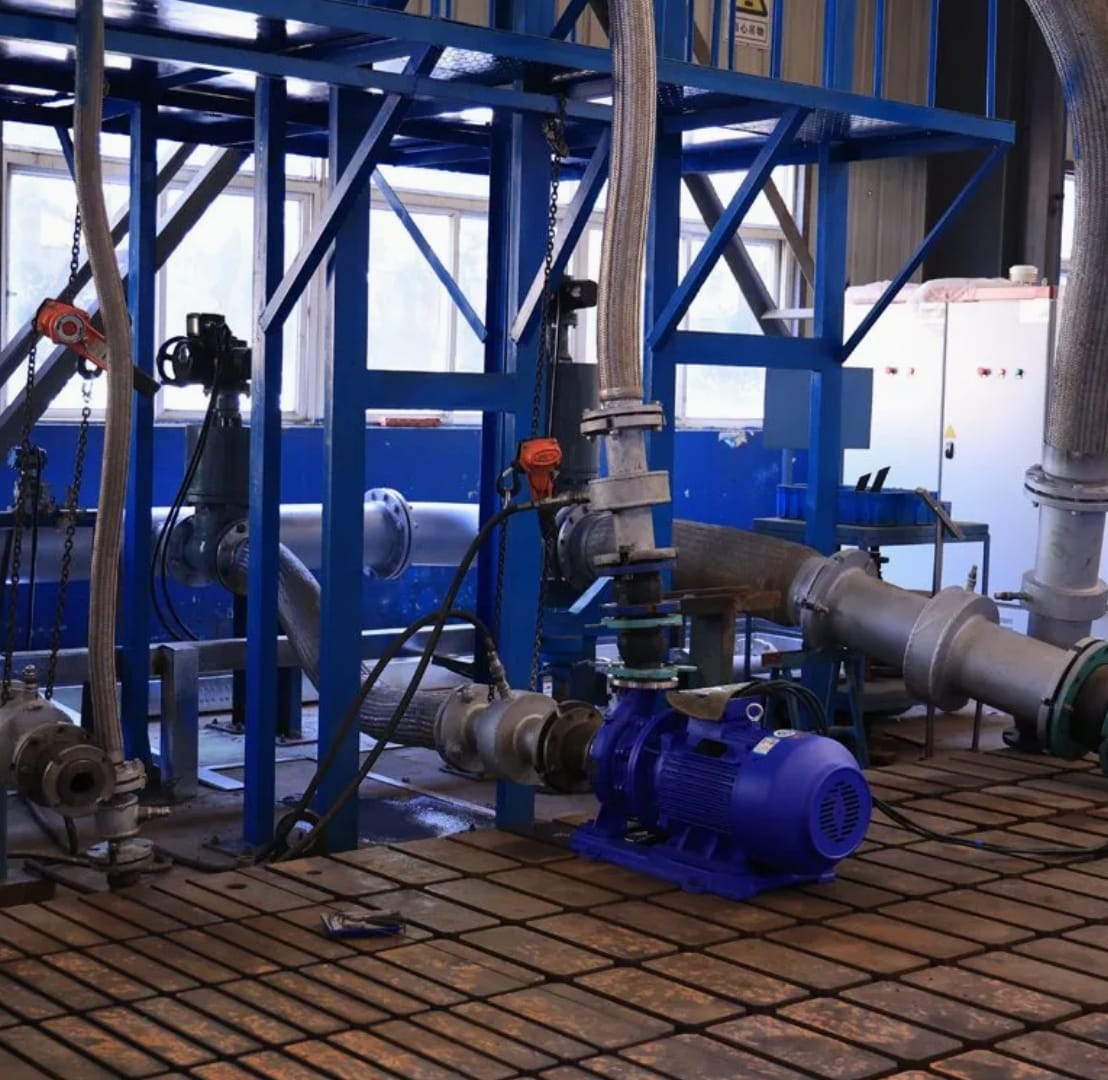
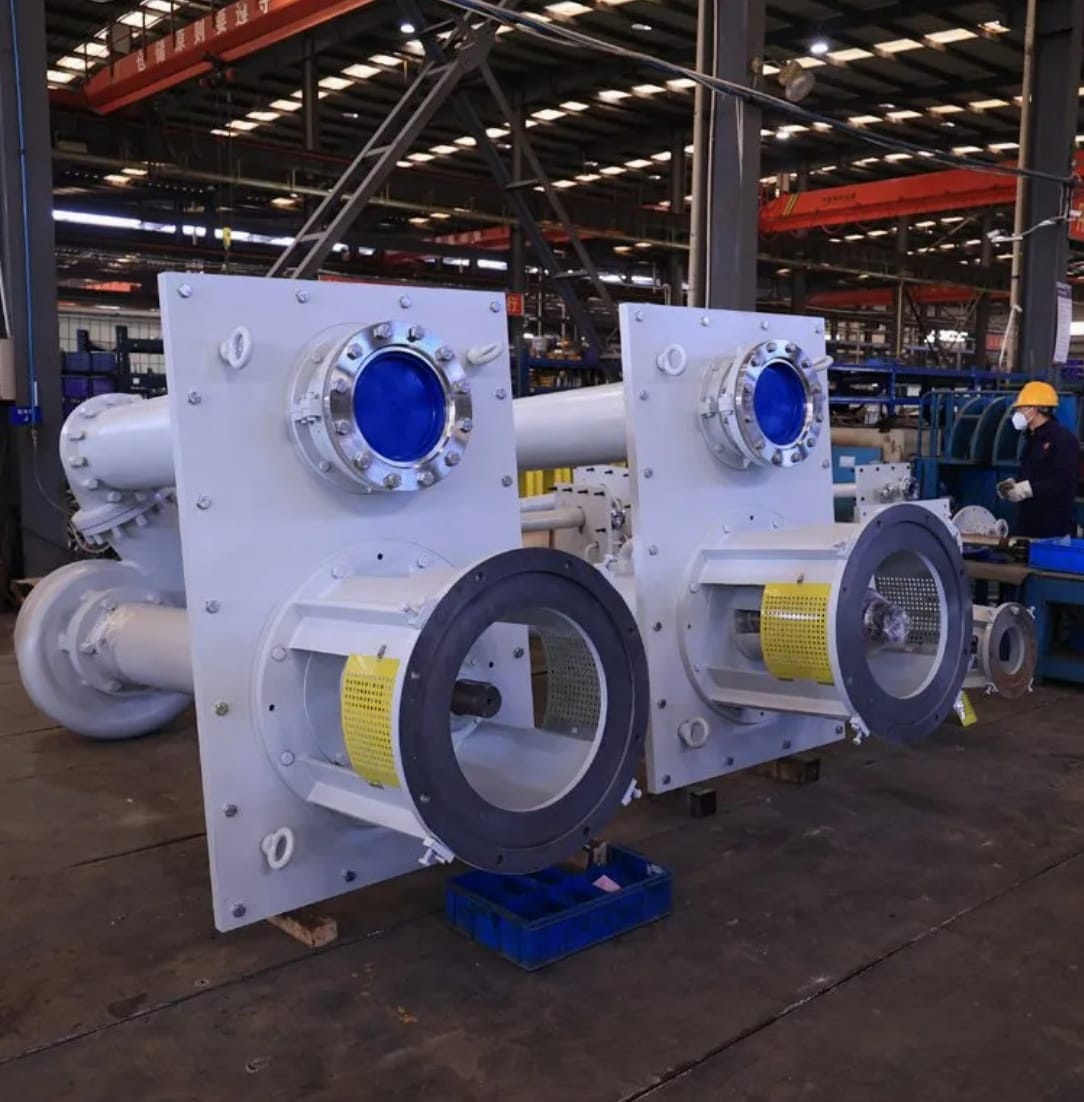
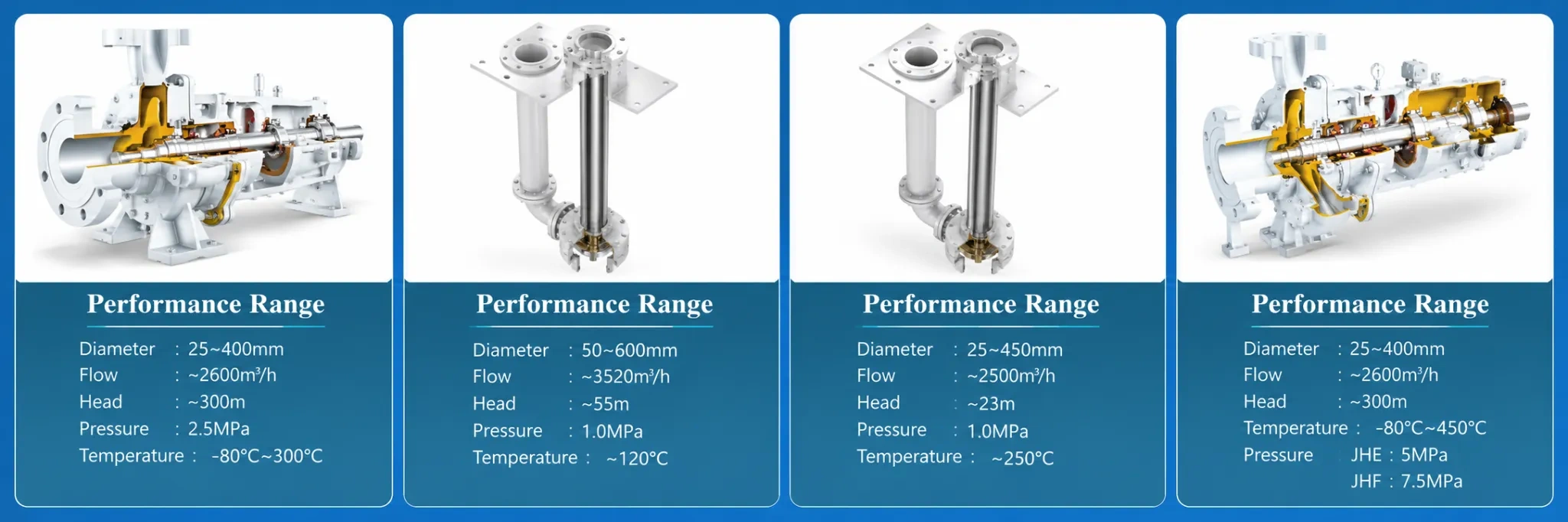
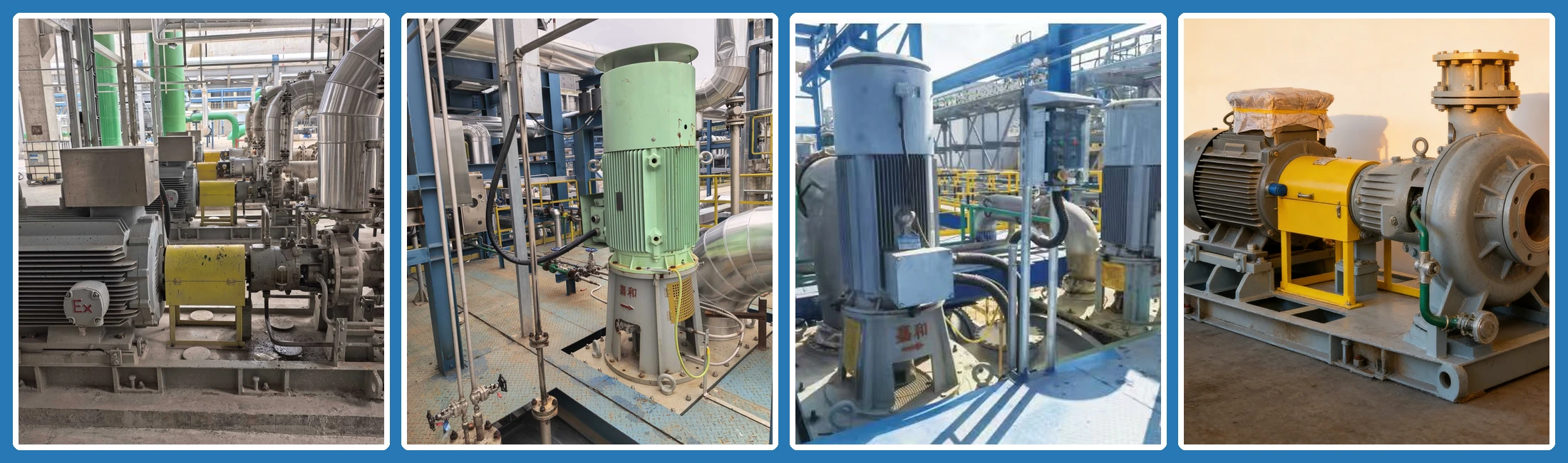
Material Selection Depends on Operating Conditions
The suitable material selection depends on:
• Sulfuric acid concentration
• Operating temperature
• Chloride content
• Pump structure and operating conditions
Our engineering team can recommend the most suitable alloy material according to your specific application.
| No. | Material Grade | Material Type | Corrosion Resistance (Static Test) | Hardness | Recommended Service Conditions | Suitable Pump Components | Application / Notes |
| 1 | JSB-1 | Nickel-based Cast Iron Alloy | ≤0.10 mm/year corrosion rate in 98% H₂SO₄ sulfuric acid at 120°C | HRC30 | ≤120°C, 98% high-temperature sulfuric acid | Shaft, Impeller, Pump Casing, Elbow, Discharge Pipe, Sleeve | Specially developed for sulfuric acid plants; excellent cost performance |
| 2 | JSB-2 | Nickel-based Cast Alloy | ≤0.25 mm/year corrosion rate in 98% H₂SO₄ sulfuric acid at 120°C | HRC24–38 | ≤120°C, 98% high-temperature sulfuric acid | Pump Casing, Impeller, Elbow, Discharge Pipe, Sleeve | Designed for sulfuric acid production; economical alternative to JSB-1 |
| 3 | JSB-11 | High Silicon Nickel Alloy | ≤0.025 mm/year corrosion rate in 98% H₂SO₄ sulfuric acid at 140°C | HRC42–52 | ≤140°C, 98% high-temperature sulfuric acid | Shaft Sleeve, Shaft, Mechanical Seal Ring | High hardness and excellent wear resistance |
| 4 | JSB-12 | High Silicon Nickel Alloy | ≤0.025 mm/year corrosion rate in 98% H₂SO₄ sulfuric acid at 140°C | HRC28–38 | ≤140°C, 98% high-temperature sulfuric acid | Shaft Sleeve, Shaft, Mechanical Seal Ring | Toughness optimized for vibration and impact conditions |
| 5 | JSB-13 | High Silicon Nickel Alloy | ≤0.025 mm/year corrosion rate in 98% H₂SO₄ sulfuric acid at 140°C | HRC20–26 | ≤140°C, 98% high-temperature sulfuric acid | Impeller, Impeller Nut, Pump Casing, Elbow | High toughness material for rotating components |
| 6 | JSB-25 | High Temperature Resistant Stainless Alloy | ≤0.10 mm/year corrosion rate in 98% H₂SO₄ sulfuric acid at 230°C | HRC20–25 | ≤230°C, 98% ultra-high temperature sulfuric acid | Impeller, Impeller Nut, Pump Casing, Elbow, Discharge Pipe, Sleeve | For high-temperature heat recovery process applications |
| 7 | 316L (UNS S31603) | Austenitic Stainless Steel | ≤0.10 mm/year corrosion rate in ≤15% sulfuric acid at room temperature / ≤120°C and >85% sulfuric acid | HB≤187 | Normal temperature concentrated sulfuric acid; low concentration acid | Small Pump Casing, Low Pressure Pipeline, Fasteners | Cost-effective; not suitable for 15–85% medium concentration acid |
| 8 | Duplex Stainless Steel 2205 (UNS S32205) | Standard Duplex Stainless Steel | ≤0.10 mm/year corrosion rate in ≤60°C and <20% sulfuric acid | HRC28–32 | ≤60°C dilute sulfuric acid containing chloride ions | Desulfurization Pump Components, Acid Waste Liquid Parts | Excellent chloride resistance |
| 9 | Super Duplex Stainless Steel 2507 (UNS S32750) | Super Duplex Stainless Steel | ≤0.05 mm/year corrosion rate in ≤80°C and <20% sulfuric/phosphoric acid | HRC32–38 | ≤80°C dilute sulfuric acid and phosphoric acid | High Pressure Components, Wear-resistant Parts | High chloride resistance; not suitable for >30% sulfuric acid |
| 10 | 904L (UNS N08904) | Super Austenitic Stainless Steel | ≤0.05 mm/year corrosion rate in dilute sulfuric acid (0–70%) below 70°C | HB≤200 | Dilute sulfuric acid and short-term 98% sulfuric acid service | Sulfuric Acid Transfer Pumps, Acid Pumps | Good sulfuric acid resistance |
| 11 | Alloy 20 / 20Cb3 (UNS N08020) | Nickel-based Corrosion Resistant Alloy | ≤0.025 mm/year corrosion rate in full concentration sulfuric acid including oleum | HRC20–30 | Full concentration sulfuric acid, oleum, mixed acid | High Temperature Sulfuric Acid Pump Components | Excellent corrosion resistance; higher cost material |
When selecting a sulfuric acid pump, you need more than standard chemical transfer equipment-you need a solution engineered for corrosive environments. Our Lewis®-compatible pumps are built for strong acid service across multiple industrial sectors.
In sulfuric acid plants and chemical manufacturing facilities, reliability is non-negotiable. Our corrosion-resistant pump solutions are specifically designed for continuous transfer of concentrated and dilute sulfuric acid. Whether you’re processing 98% high-concentration acid or managing mixed-acid workflows, our JSB-1 and JSB-2 nickel-based cast alloys deliver proven performance with excellent cost-to-durability ratios.
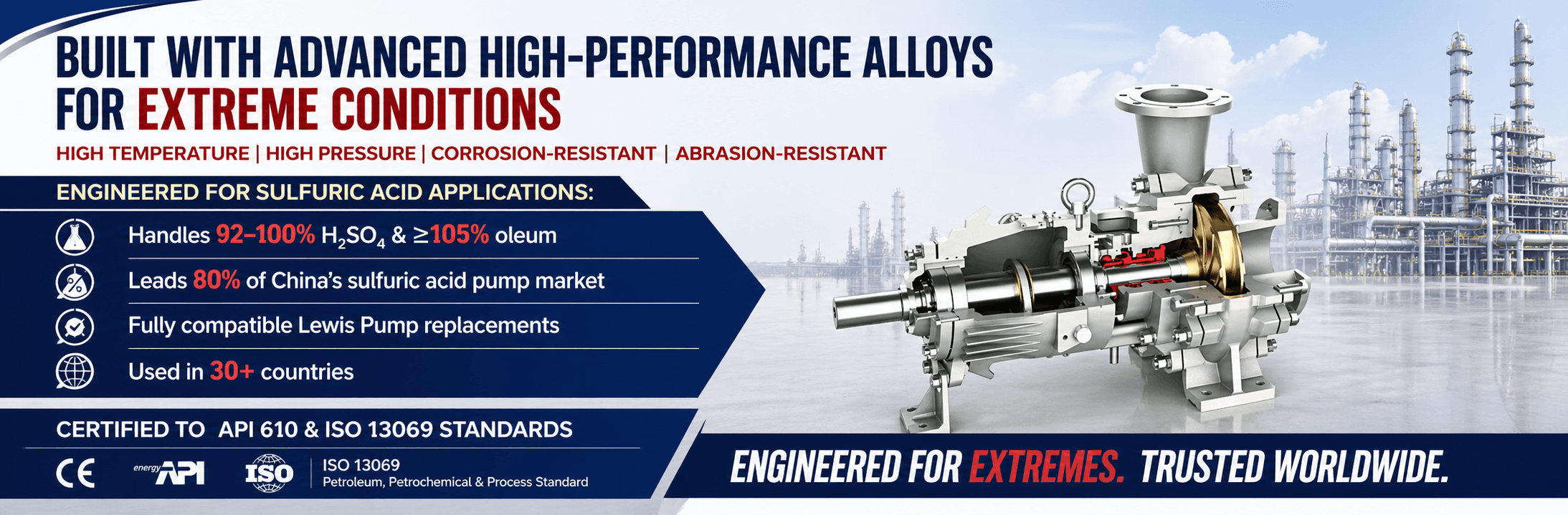
For operations requiring temperatures above 120°C, standard stainless steel isn’t sufficient. Our high temperature acid pump line includes JSB-25 and Alloy 20 options, engineered to withstand extreme conditions in heat recovery and ultra-high-temperature sulfuric acid processes. These pumps meet API 610 chemical process pump standards, making them compatible with refinery and petrochemical downstream integrations.
The material selection table above isn’t just specification-it’s the roadmap to avoiding costly downtime. A mismatched alloy in your acid application can corrode at rates exceeding 1.0 mm/year; the right choice reduces that to 0.025 mm/year or better.
Not every application demands a premium alloy. For dilute sulfuric acid below 60°C, our Duplex Stainless Steel 2205 option offers 10× better chloride resistance than 316L at comparable cost. However, full-concentration sulfuric acid and oleum applications require premium alloy materials, which cost 15-20% more but prevent failure in aggressive corrosive environments. Compare your acid concentration against operating temperature-most customers find JSB or Super Duplex options strike the right balance.
The three factors that determine material life are sulfuric acid concentration, operating temperature, and chloride ion presence. A 98% sulfuric acid at 140°C demands JSB-11, JSB-12, or JSB-13 high-silicon nickel alloys; the same concentration at 230°C (heat recovery) requires JSB-25. If your process includes chloride ions-common in desulfurization and waste-acid applications-upgrade to Duplex 2205 or Super Duplex 2507.
Still uncertain which material fits your application? Review material specifications across phosphoric acid pump and other sulfuric acid pump product lines-the same selection principles apply across acid types.